This Yosemite 2026 travel guide starts with one major change travelers need to know: Yosemite National Park does not require a vehicle entrance reservation in 2026. Visitors still pay the applicable entrance fee, and separate reservations or permits may be required for camping, lodging, wilderness trips, and Half Dome.
The change makes spontaneous day visits easier, but it does not remove the need to plan. Yosemite remains one of California’s most visited outdoor destinations, particularly between spring and autumn.
A successful Yosemite trip depends less on creating a long attraction checklist and more on understanding traffic, lodging, seasonal conditions, and distances inside the park.
What Travelers Should Know About Yosemite in 2026
The absence of an entrance reservation means you do not need to secure a timed vehicle slot simply to drive into Yosemite in 2026. However, visitors should not interpret that as a guarantee of convenient parking or low crowds.
Entrance rules and overnight reservations are different
Park entrance and overnight accommodation are separate issues. If you intend to stay inside Yosemite, reserve lodging or camping as early as practical. Popular dates can fill well before a trip.
Likewise, backpacking requires wilderness permits, while hiking Half Dome when the cables are operating requires the applicable Half Dome permit.
Confirm your plans before leaving home
Rules, weather, road access, fire conditions, and facility operations can change. Review current National Park Service information shortly before departure rather than relying entirely on an itinerary prepared months earlier.
Download important information before entering areas with limited mobile coverage. Keep accommodation confirmations and essential directions available offline.
Choose the right place to stay
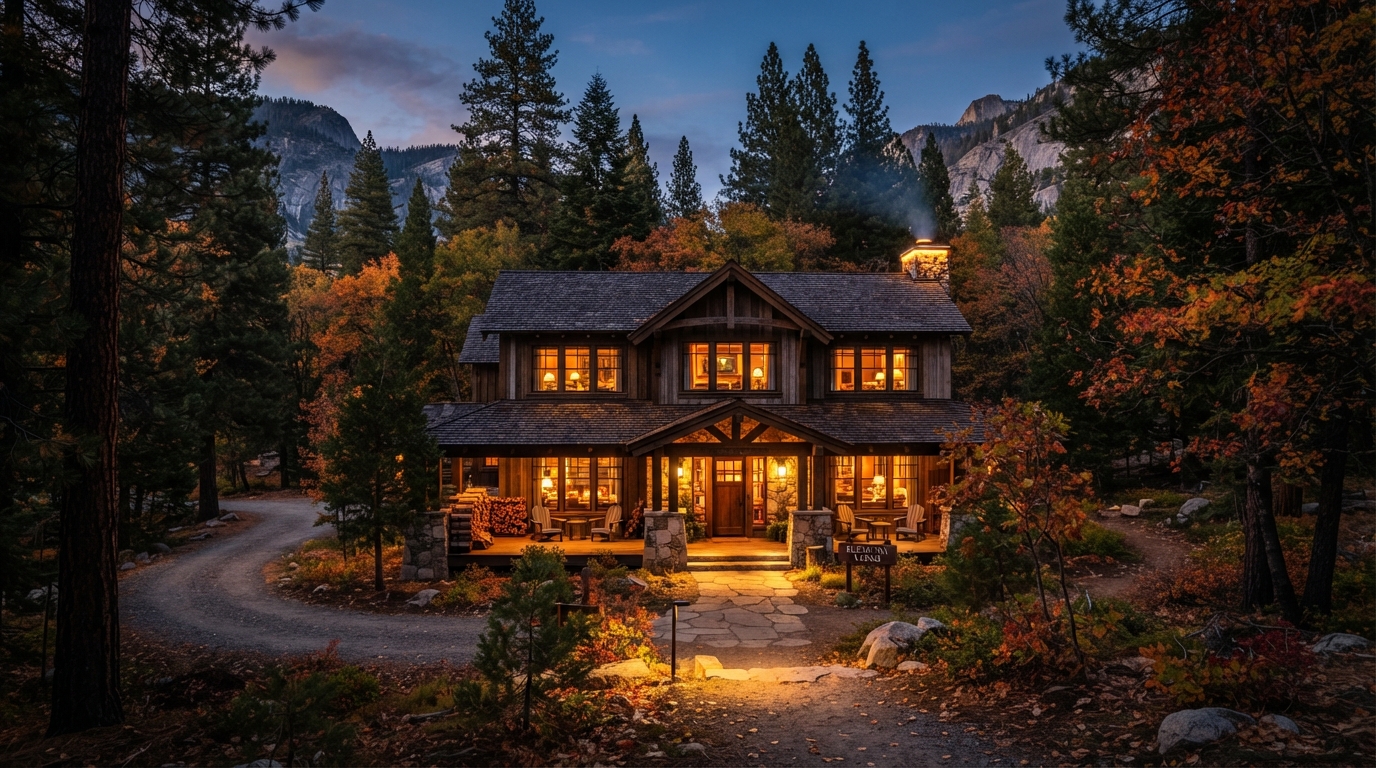
Where you sleep has a major effect on your Yosemite itinerary. Staying inside the park can reduce commuting time and make early mornings easier. However, availability is limited and rates can be higher.
Gateway communities provide alternatives. The right choice depends on which park entrance you plan to use and what you want to see each day. Do not choose a hotel solely because the listing says it is “near Yosemite.” Check actual drive times.
Our Where to Stay section can help you compare California hotel locations and trip styles.
Think in drive time, not straight-line distance
Mountain roads can make short map distances take much longer than expected. Add time for traffic, construction, wildlife, weather, and scenic stops.
If you are staying outside the park, consider whether you genuinely want to make the drive twice every day. A slightly more expensive location can sometimes improve the trip by saving several hours behind the wheel.
Arrive early without turning the trip into a race
Starting early can make parking and popular viewpoints easier. Still, the purpose of arriving early should be to create flexibility rather than to squeeze in every landmark before lunch.
Choose two or three priorities per day. Then treat anything else as a bonus. This approach is particularly helpful when weather, parking, or trail conditions change.
Building a Better Yosemite Weekend
A short Yosemite visit works best when each day focuses on one area or experience. Constantly crossing the park wastes valuable time and can leave travelers feeling as though they spent more time parking than exploring.
Balance famous viewpoints with quieter moments
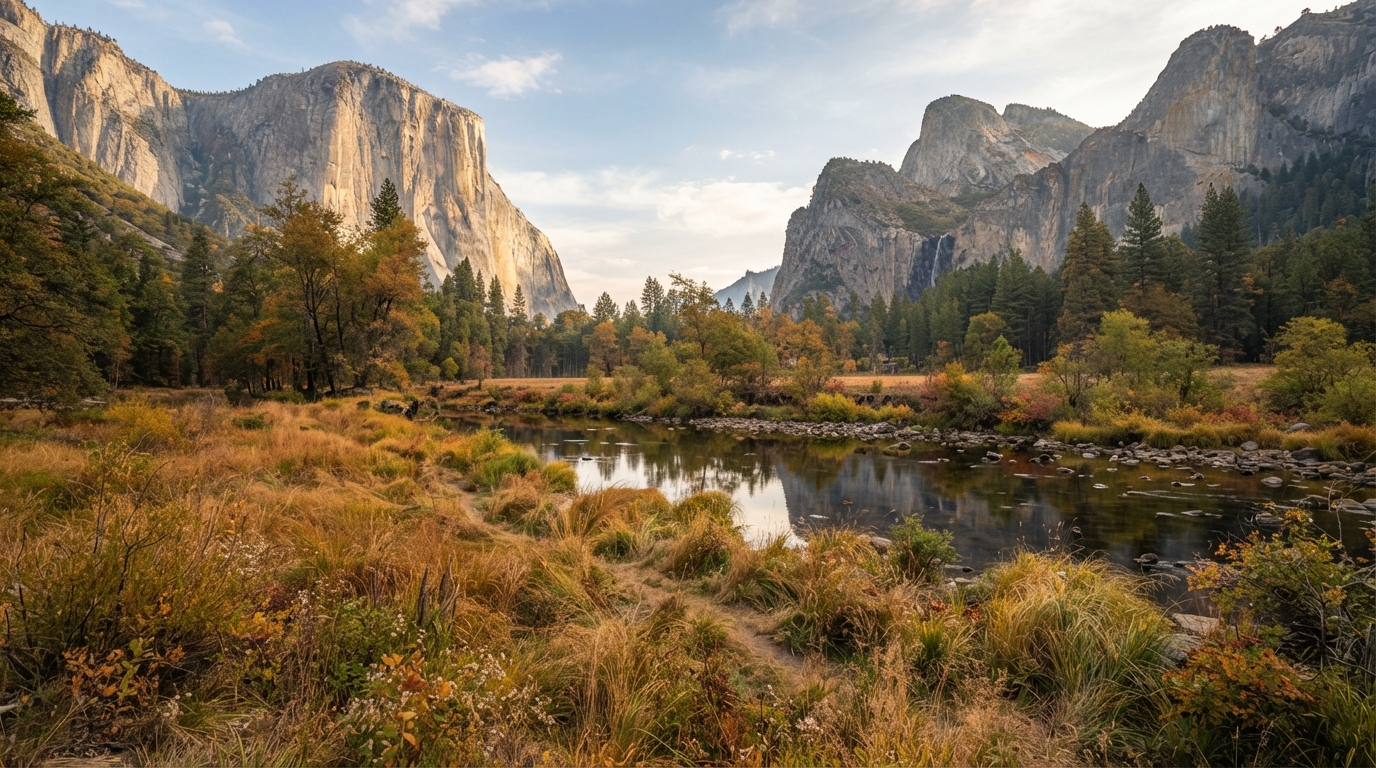
First-time visitors naturally want to see Yosemite Valley, iconic granite formations, waterfalls, and well-known viewpoints. Those places deserve attention. However, Yosemite also rewards travelers who slow down.
Walk part of a valley trail. Spend time beside a meadow. Stop for lunch without checking the clock. Watch how the light changes across the granite walls late in the afternoon.
If you are planning a broader autumn trip, combine Yosemite with our California fall getaways guide. Travelers heading farther east can also consider the Eastern Sierra.
Prepare for rapidly changing mountain conditions
Yosemite’s elevation differences mean weather can vary significantly across the park. Carry layers even when the valley forecast appears comfortable. Bring water, appropriate footwear, sun protection, and any necessary medication.
Never assume that a trail, mountain road, or seasonal facility is open just because it was available during a previous visit. Check current conditions before committing to a route.
If you are driving long distances to Yosemite, review our California Travel Smart guides for transportation planning and trip-safety tips.
Ultimately, the 2026 entrance-policy change removes one planning step, but Yosemite still rewards preparation. Reserve overnight accommodation early, understand the difference between entrance and activity permits, and leave flexibility in each day.
For more California inspiration, explore our California destinations, weekend getaways, and road-trip guides.
Always confirm current regulations through the National Park Service Yosemite planning page before traveling.